Bonded & Insured
San Diego, CA

San Diego Insulation Contractor for Cooler Summers and Lower SDG&E Bills

San Diego's mild reputation hides a real problem. Most of the city's homes went up before California's first energy code in 1978, so plenty of attics still have a few inches of flattened fiberglass, or nothing at all. In late summer, attic air can top 130°F and push heat straight through the ceiling. Then SDG&E bills for running the AC against it, at some of the highest electricity rates in the continental US. San Diego Insulation Experts fixes that. We remove what's failing, seal the leaks, and install insulation that suits your home and its microclimate.

We've insulated San Diego homes since 2005, so we know a 1950s tract house in Bay Park needs different work than a Craftsman in Bankers Hill or a Mount Helix ranch with a cathedral ceiling in La Mesa. Near the coast, salt air and the June marine layer bring damp crawlspaces. Inland, summer heat is the bigger fight. Our estimates spell out the scope and price, we show up when we say we will, and we keep you updated from the first consultation to the final walkthrough.

  • Serving San Diego homeowners since 2005
  • Bonded and insured
  • Free, itemized estimates
  • Financing available
Free Estimate

Request Your Free Estimate

No obligation. Fast, honest quotes.

Prefer to talk? Call (619) 768-2893 — your details are never shared.

Credentials & Certifications BondedInsuredFinancing Available
What We Do

Insulation Services for San Diego Homes

We don't recommend the same product for every house. We start with what we find in your attic, crawlspace or walls, then match the material and method to your home's age, location and budget. Every option below is available throughout our San Diego service area.

★ Specialty

Attic Insulation

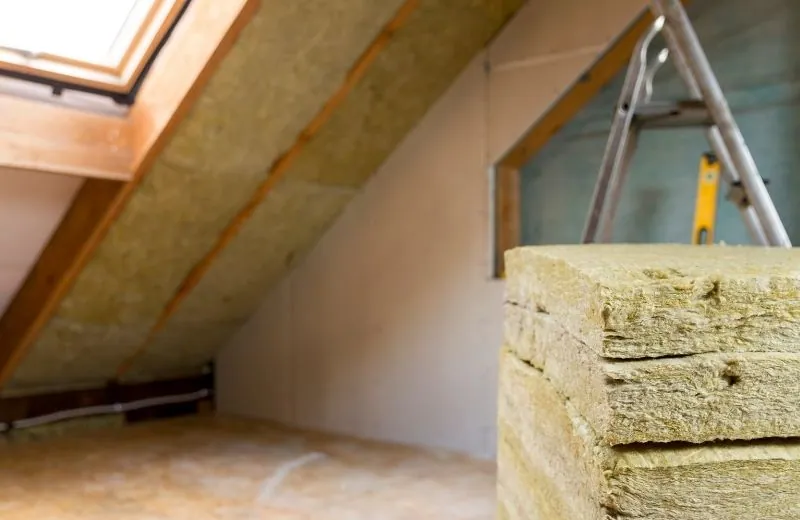
We bring under-insulated attics up to Title 24 levels, usually R-30 to R-38. That includes air sealing the attic floor, adding eave baffles, protecting recessed lights, and leaving a clear path to the attic hatch.

First we measure existing depth and look for rodent activity, moisture and hazards. Then we seal top plates and penetrations, install baffles, and add insulation to an even, marked depth. Depth rulers stay in the attic so you can verify the work.

Inland attics in La Mesa and Otay Ranch fight 130°F-plus summer heat, while coastal attics in Bay Park and Point Loma deal with marine-layer moisture. We adjust air sealing and ventilation for each, and use Chapter 7A ember-resistant vents in wildfire-risk zones.

Best for: Homeowners with high summer cooling bills, rooms that overheat, new AC or mini-split installs, or plans to add solar or a heat pump.

Explore
★ Specialty

Spray Foam Insulation

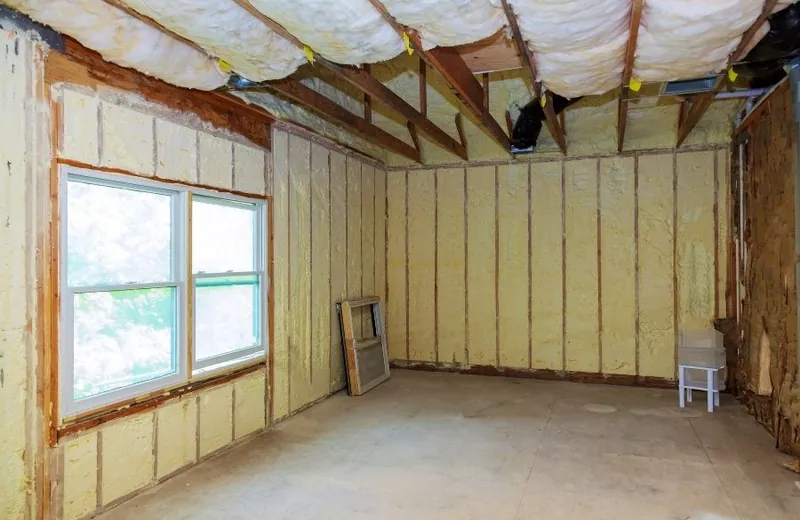
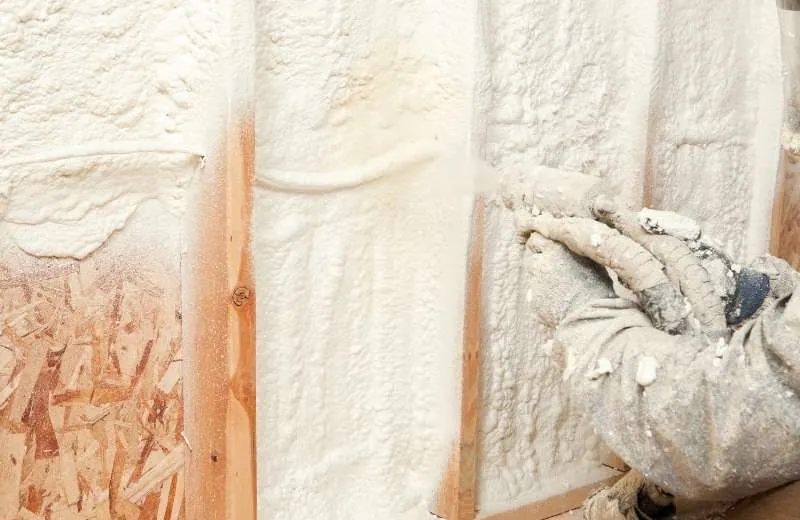
We apply open- or closed-cell spray foam where traditional insulation can't do the job: cathedral ceilings, low-slope roofs, rim joists, crawlspaces and hard-to-reach cavities. It insulates and air seals in one step.

We pick open-cell or closed-cell foam based on moisture exposure and available space. Before spraying, we protect surfaces and set up ventilation. Foam is applied in controlled passes to the specified thickness, then trimmed and inspected.

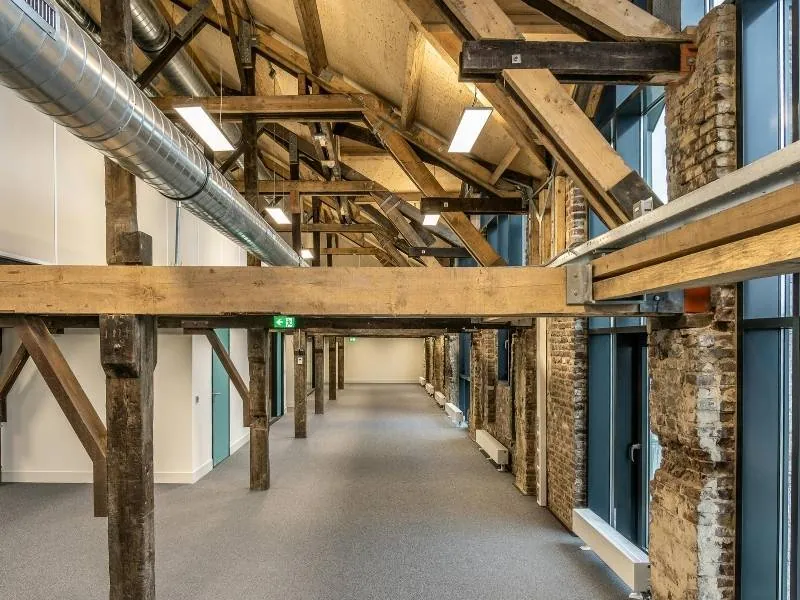
Spray foam is often the best option for Mount Helix open-beam ceilings, flat-roofed Spanish Revivals in Old Town and Mission Hills, and damp coastal crawlspaces in Coronado and Morena, where closed-cell foam holds up against humidity and salt air.

Best for: Cathedral or vaulted ceilings, shallow or flat roofs, moisture-prone crawlspaces, and homeowners who want maximum air sealing against smoke and dust.

Explore

Blown-In Insulation

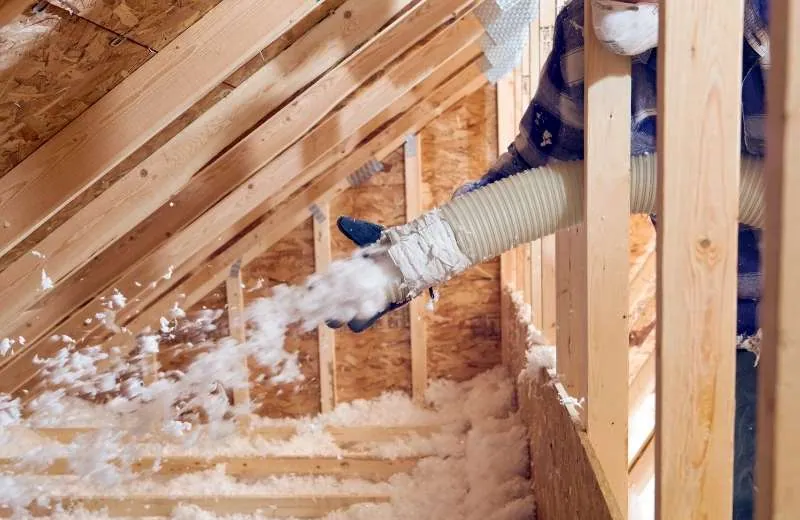
We install loose-fill fiberglass or cellulose in attics, and dense-pack it into closed wall cavities. Blown-in material fills around wiring, framing and odd shapes that batts can't cover properly.

Attics get an even layer blown to the target depth over sealed penetrations. Walls are filled through small drilled holes, dense-packed to prevent settling, then plugged and patched. Wiring is verified safe before any wall gets filled.

Drill-and-fill is how we insulate historic walls in Bankers Hill and Hillcrest without touching protected exteriors. Blown-in attic top-ups are the most cost-effective upgrade for postwar ranch homes in Clairemont, Linda Vista and Bay Park.

Best for: Attic top-ups on a budget, plaster-and-lath walls in older homes, and properties where exterior changes are restricted.

Explore

Insulation Installation

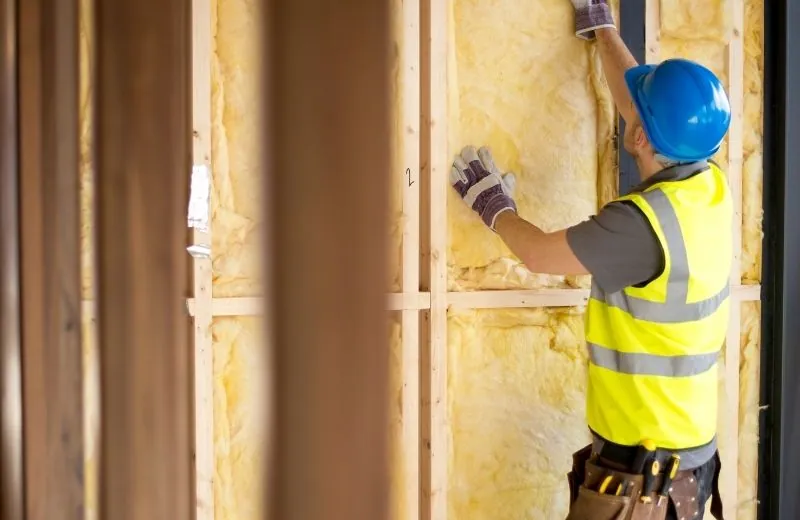
We handle full insulation installations for additions, remodels, ADUs and open-wall renovations: batts, blown-in or spray foam in walls, floors, ceilings and garages, installed to the R-values your project requires.

We review your plans and Title 24 requirements, install insulation without gaps or compression, and coordinate timing with your general contractor or HVAC installer so inspections happen on schedule.

With ADUs and garage conversions popping up across North Park, Linda Vista and Chula Vista, we install insulation to pass City of San Diego, Chula Vista and other local inspections, and fit our schedule to yours.

Best for: Remodels, additions, ADUs, garage conversions and any project with open walls or new framing.

Explore

Crawl Space Insulation

We insulate the floor above raised foundations to stop cold floors and moisture problems, replacing fallen or soggy batts with properly supported, moisture-appropriate insulation.

We start by inspecting for moisture, pests and duct damage. Failed material comes out, gaps get sealed, and new batts go in with wire supports, or we use closed-cell foam where moisture is persistent. Ground cover and vent condition are addressed as needed.

Raised-foundation bungalows in National City, western Chula Vista, Bay Park and Coronado Village see damp, salty marine air for months. We use materials and fasteners that hold up near the water.

Best for: Homes with cold floors, musty odors, sagging insulation or rusted crawlspace components, especially within a few miles of the bay or ocean.

Explore

Insulation Removal

We remove old, contaminated or damaged insulation from attics and crawlspaces using high-powered vacuum equipment. Debris is bagged and hauled away so nothing passes through your living space.

Work areas are contained, debris goes straight into sealed bags outside, and droppings and nesting material are removed, followed by sanitizing and deodorizing. If we suspect vermiculite, work stops until the material has been tested.

Roof rat contamination is the top reason San Diego homeowners call us for removal, especially in canyon-rim homes in Bay Park, Clairemont and Mount Helix. Removal is also the first step before re-insulating smoke-filtered attics in Santa Ana-exposed areas.

Best for: Rodent-contaminated attics, water- or smoke-damaged insulation, and homes preparing for a full attic upgrade.

Explore

Insulation Replacement

We handle the full job: remove failing insulation, fix air leaks and ventilation issues, and install new insulation to current standards. You get one crew and one schedule.

Removal, sanitizing, air sealing, baffle installation and new insulation happen in sequence, usually over one to two days. If HVAC work triggers permits or HERS testing, we coordinate those steps so the job closes out correctly.

It's ideal for 1950s Linda Vista and Morena homes adding AC, Coronado homes with salt-worn attics, and Hillcrest condos where the HOA wants one contractor, one schedule and proof of insurance.

Best for: Homeowners who want to fix the attic once, correctly, rather than layering new insulation over old problems.

Explore
Know The Signs

Common Insulation Problems We Find in San Diego Homes

After two decades in San Diego attics, crawlspaces and wall cavities, we see the same problems again and again. Most come from the age of the housing, the coastal moisture or the local roof rat population. Here's what to look for and why it happens here.

Rodent-Damaged and Contaminated Attic Insulation Serious

Roof rats nest in attic insulation and tunnel through it. Their urine and droppings soak in, which ruins its R-value and creates a health hazard. Once insulation is contaminated, adding a new layer on top only buries the problem. It has to be removed and the attic sanitized.

Why it's common here

Roof rats are widespread in San Diego. Mature palms, ivy, citrus trees and canyon-rim lots give them easy roof access. The mild winters let populations stay high all year. Older homes in Bay Park, Linda Vista, Mission Hills and La Mesa often have gaps at the eaves, unscreened vents and loose roof-to-wall joints where rats can get in. Shallow attics in postwar ranch homes mean rodents nest right in the insulation layer. Many of these attics haven't been inspected in decades.

Signs you'll notice
  • Scratching or scurrying in the ceiling at night
  • Droppings near attic access or in the garage
  • Musty or ammonia-like odor in upstairs rooms
  • Tunnels, trails or flattened patches in attic insulation
  • Chewed wiring or torn duct insulation
  • Rooms that suddenly feel hotter or colder
Local patterns

Most common in canyon-adjacent homes in Bay Park, Clairemont, Mission Hills and Mount Helix, and in older homes with palms or ivy near the roofline. Calls peak in fall and winter, when rats move indoors.

Our fix: Full insulation removal with commercial vacuums, attic sanitizing and deodorizing, sealing of entry gaps coordinated with your pest provider, then new blown-in insulation to R-38.

Thin, Compressed or Missing Attic Insulation Moderate

Many older attics have just 2–4 inches of settled fiberglass or loose fill, which works out to about R-8 to R-11. Current Title 24 targets are R-30 to R-38. Some have bare patches where the insulation was crushed, moved or never installed.

Why it's common here

Most San Diego homes were built before the 1978 energy code, back when a mild climate was considered reason enough to skip insulation. Decades of HVAC installs, cable runs and solar wiring have crushed what little was there. Many households that never had central AC are now adding mini-splits or ducted systems, and summer bills show right away how poorly the attic holds back heat. Inland homes in La Mesa and eastern Chula Vista feel it the most.

Signs you'll notice
  • You can see ceiling joists above the insulation
  • Upstairs or back rooms much hotter in summer afternoons
  • AC runs constantly during heat waves
  • High summer SDG&E bills despite a modest home size
  • Ceilings that feel warm to the touch in August
  • Uneven temperatures room to room
Local patterns

Typical in 1940s–60s tract homes in Bay Park, Morena, Clairemont and Linda Vista, and in Mount Helix ranch homes. Homeowners usually call after their first heat wave with new AC or a mini-split.

Our fix: Air seal the attic floor, install eave baffles, then blow in fiberglass or cellulose to R-38. Most attics are finished in one day.

Damp Crawlspaces and Moisture-Soaked Insulation Serious

Under raised-foundation homes, fiberglass batts soak up moisture, sag and fall away from the subfloor. Damp insulation insulates poorly, holds mildew, and speeds up rot and rust on the framing, ducts and fasteners around it.

Why it's common here

May and June marine-layer humidity, along with salty air off the bay and ocean, keeps coastal crawlspaces damp for weeks at a time. National City, western Chula Vista, Bay Park and Coronado have many 1920s–50s homes on raised wood foundations with open or poorly vented crawlspaces. The salt air corrodes metal duct straps and vent screens, and expansive clay soil keeps moving, which opens gaps that let more humid air in.

Signs you'll notice
  • Insulation batts hanging or lying on the ground
  • Musty smell in rooms above the crawlspace
  • Cold floors in winter
  • Mildew or white mold on joists
  • Rusted duct straps or vent screens
  • Higher indoor humidity in late spring
Local patterns

Concentrated near the water in Coronado Village, Morena, Bay Park, the Midway District, Old Town National City and western Chula Vista, where homes sit on raised foundations.

Our fix: Remove failed batts, address moisture sources, then install moisture-tolerant insulation or closed-cell spray foam with proper vapor control and supports.

Air Leaks Letting in Dust, Smoke and Drafts Moderate

Gaps around top plates, plumbing chases, attic hatches, recessed lights and wiring holes let outdoor air move freely into living space. Insulation alone doesn't stop air movement. Those gaps have to be sealed before insulation goes over them.

Why it's common here

Santa Ana winds blow hot, dry, smoky air hard against San Diego homes every fall, and leaky houses pull it in through every gap. Seismic movement and shifting clay soils crack caulk and sealant joints over time. Older plaster-and-lath homes in Hillcrest and Bankers Hill have balloon-frame cavities that connect directly to the attic. Point Loma, Midway and Old Town residents under the Lindbergh Field flight path also notice that air leaks let noise in.

Signs you'll notice
  • Dust lines on carpet edges or around vents
  • Smoke smell indoors during wildfire events
  • Drafts near outlets, baseboards or ceiling lights
  • Dark streaks on attic insulation (air filtration marks)
  • Whistling or noticeable street and airport noise
  • Doors that slam when the AC kicks on
Local patterns

Common in pre-1940 homes in Bankers Hill, Hillcrest and North Park, in canyon-rim homes exposed to Santa Ana winds, and in homes under the flight path near Midway and Old Town.

Our fix: Seal attic floor penetrations, top plates and chases with foam and fire-rated sealant, then insulate. Duct sealing can be added where HVAC work calls for it.

Vermiculite or Suspected Asbestos Insulation Emergency

Vermiculite is a pebbly, gray-brown or gold loose-fill insulation that was used in some mid-century homes. Much of it came from a mine contaminated with asbestos. Disturbing it can release fibers into the air, so it has to be tested before any work starts.

Why it's common here

San Diego's postwar building boom overlapped with vermiculite's peak years. Some 1940s–60s homes in Linda Vista, Clairemont, Bay Park and National City still have it under newer layers. Homeowners sometimes find it while running cable or adding a mini-split. San Diego County APCD and Cal/OSHA regulate how it's handled, so this isn't something you can just vacuum out.

Signs you'll notice
  • Lightweight, pebble-like granules in the attic
  • Gray-brown, silvery or gold coloring
  • Found between joists under newer insulation
  • Home built from the 1940s to the 1970s
  • Fill that pours like gravel rather than fluffs
Local patterns

Most often found in the original defense-worker and postwar tract housing in Linda Vista, Clairemont and Bay Park, and in small postwar homes in National City.

Our fix: Stop all attic work. We arrange lab testing, and if results are positive, removal is handled through properly licensed abatement before we insulate.

Non-IC Recessed Lights and Missing Eave Baffles Moderate

Older recessed can lights that aren't rated for insulation contact (non-IC) need clearance from insulation, which leaves bare holes in the thermal layer. Missing baffles at the eaves let blown-in insulation block soffit vents, so the attic can't ventilate.

Why it's common here

Decades of kitchen and living room remodels in San Diego homes added recessed lighting before IC-rated fixtures were standard. Shallow 1950s attics and low-slope Spanish Revival roofs leave very little room at the eaves, so earlier installers often skipped baffles. Without ventilation, summer attic heat builds even higher, and marine-layer moisture has nowhere to go.

Signs you'll notice
  • Recessed lights that feel hot or flicker
  • Light visible around cans from the attic
  • Insulation stuffed into soffit vents
  • Condensation or mildew near the eaves
  • Bare rings around fixtures in the attic
Local patterns

Common in remodeled ranch homes in Clairemont, Bay Park and La Mesa, and in low-slope Old Town and Mission Hills homes where eave space is tight.

Our fix: Install IC-rated covers or recommend fixture upgrades, add vent baffles at every rafter bay, and use Chapter 7A-compliant vents where required.

Uninsulated Walls in Historic Homes Minor

Many pre-1930 walls have empty stud cavities behind plaster and lath. These walls lose heat in winter and gain it on sunny afternoons, and they carry sound easily. They're not urgent, but they're a major comfort problem.

Why it's common here

Bankers Hill, Hillcrest, Mission Hills and Coronado have a lot of Victorian and Craftsman homes built before insulation was standard. Historic design review often rules out removing siding, so wall insulation has to go in from inside. Knob-and-tube wiring is common in these homes and must be inspected before cavities are filled.

Signs you'll notice
  • Exterior walls cold to the touch in winter
  • Rooms that won't hold temperature
  • Street or airport noise passing through walls
  • Home built before roughly 1940
  • Original plaster-and-lath interior
Local patterns

Concentrated in the historic districts of Bankers Hill and Hillcrest, Mission Hills, Coronado Village cottages and La Mesa Village homes from the 1920s.

Our fix: After wiring is verified, dense-pack blown-in insulation through small interior drill-and-fill holes that are patched afterward, with no exterior changes needed.

Transparent Pricing

What Insulation Costs in San Diego

Most San Diego insulation projects cost between about $2,000 and $10,000, but your home's size, access and condition decide where you land. Here's what affects price and what typical local projects run.

Typical Project

Attic top-up in a postwar ranch

~1,400 sq ft attic in Clairemont or Bay Park, clean existing insulation, air sealing plus baffles, blown-in to R-38

$2,200 – $4,200
Typical Project

Rodent-damaged attic removal and replacement

~1,600 sq ft attic in Mount Helix or Bay Park, full removal, sanitizing, air sealing, new blown-in R-38

$5,500 – $10,000
Typical Project

Spray foam for a cathedral ceiling or low-slope roof

~1,000 sq ft roofline in La Mesa or Old Town, open- or closed-cell foam to code thickness

$5,000 – $12,000
Typical Project

Crawlspace re-insulation near the coast

~1,200 sq ft raised foundation in National City or Coronado, remove failed batts, install supported insulation or closed-cell foam

$3,000 – $7,500
Existing Insulation Condition Primary Factor

Clean, dry insulation can often stay in place, and we just add more on top, which keeps costs down. If roof rats, moisture or smoke have contaminated it, everything has to come out first, and sanitizing adds labor. Removal typically adds about $1.50–$3.00 per square foot. In canyon-adjacent neighborhoods like Bay Park and Mount Helix, plan for that possibility until we've inspected the attic.

Square Footage and Target R-Value Primary Factor

Bigger attics need more material, and going from R-11 to R-38 takes far more than a light top-up. Most San Diego jobs target R-30 to R-38 to meet Title 24 in Climate Zones 7 and 10. Blown-in attic insulation typically runs about $1.50–$3.00 per square foot installed, depending on depth. A 1,400-square-foot Clairemont ranch costs far less than a 3,000-square-foot Coronado home.

Insulation Type Secondary Factor

Blown-in fiberglass and cellulose cost the least per R-value. Batts fall in the middle. Spray foam costs the most, roughly $2–$4 per square foot for open-cell and $4–$7 for closed-cell, but it insulates and air seals in a single step. For cathedral ceilings, low-slope Spanish Revival roofs and damp coastal crawlspaces, foam is often the best option and sometimes the only practical one.

Access and Home Design Secondary Factor

A roomy attic with a good hatch is quick work. Shallow 1950s attics, flat roofs, open-beam ceilings and plaster-and-lath walls take more labor and specialized methods. Historic homes in Bankers Hill and Hillcrest that need interior drill-and-fill also cost more than open-wall installations. Condo work in shared roof spaces may need extra coordination because of HOA hour limits.

Hazards, Permits and Testing Variable Factor

Vermiculite testing, any required abatement, knob-and-tube inspection, and permits with HERS verification on HVAC-linked jobs can all add cost. A test is usually a modest expense, while abatement varies widely. We flag these items in your estimate so you're not surprised halfway through the job.

Financing is available, so you can spread the cost of larger projects like full attic replacements into manageable payments. Ask about options during your free estimate. With SDG&E rates this high, insulation and air sealing are among the quickest ways to cut summer cooling costs. Upgrades may also qualify for SDG&E, San Diego Community Power or federal 25C incentives.

Local Expertise

Why San Diego Homes Need Better Insulation

People assume a mild climate means insulation hardly matters. Then they get their first August SDG&E bill. San Diego's mix of coastal and inland weather, old housing, and strict energy rules means insulation work here has to be planned for your specific house and neighborhood.

Two Climates in One City: Coastal Fog and Inland Heat

San Diego falls in IECC Climate Zone 3B, and California's Title 24 splits it further. Coastal Zone 7 covers Coronado, Point Loma, Bay Park and Old Town. Inland Zone 10 covers La Mesa and eastern Chula Vista. Coastal summers mostly stay in the high 60s to mid-70s°F. Ten miles inland, afternoons often run 10–20°F hotter and pass 90°F during heat waves. In August and September, roof surfaces and attic air can climb well past 130°F. The coast has its own problem: May and June marine-layer humidity and salty air lead to condensation, mildew and corroded ducts. In fall, Santa Ana winds bring hot, dry air and wildfire smoke that leaky houses pull inside. Winter nights in the 40s°F still make an uninsulated home feel drafty. Air sealing matters here as much as R-value.

Housing Built Before Anyone Thought About Insulation

Bankers Hill and Hillcrest have Victorians, Craftsmans and Mission Revival homes from about 1890–1930. Most have balloon-frame or plaster-and-lath walls with empty cavities, and many still have knob-and-tube wiring. Old Town and Mission Hills Spanish Revivals often have low-slope roofs with very little attic space to work in. Bay Park, Morena, Clairemont and Linda Vista filled up with 1940s–60s ranch homes that have shallow attics and insulation at a fraction of today's R-30 to R-38 targets. Some of those attics contain vermiculite. National City and western Chula Vista bungalows often sit over uninsulated crawlspaces. Expansive clay soils and frequent seismic movement also crack sealant joints over time, so air gaps keep reopening.

Title 24, Permits and Historic Districts

California Title 24 Part 6 generally calls for about R-30 to R-38 ceiling insulation in Climate Zones 7 and 10, plus air and duct sealing when attic or HVAC work triggers it. Jobs tied to an HVAC replacement often need a permit and HERS third-party duct leakage testing. Depending on where you live, permits come from the City of San Diego Development Services Department or from La Mesa, Coronado, Chula Vista or National City. Vermiculite and asbestos are regulated by the San Diego County APCD and Cal/OSHA. In the historic districts of Bankers Hill, Hillcrest, Old Town and Coronado, exterior changes may need design review, so we usually drill and fill walls from inside the house. Homes in wildfire-risk areas need Chapter 7A ember-resistant vents.

High Energy Costs Make Insulation Pay Off Faster

SDG&E residential rates rank among the highest in the continental US, so every BTU leaking through your ceiling costs more here than it would almost anywhere else. San Diego also has lots of rooftop solar, EVs and heat pump conversions. For those homes, insulation and air sealing come first: a tighter house needs a smaller system and gets more out of each solar panel. Many owners here have stayed put for years and are upgrading aging homes instead of moving. Rebates from SDG&E and San Diego Community Power, plus the federal 25C tax credit, may help with the cost.

San Diego Insulation Experts Insulation Contractor in San Diego, CA project in San Diego, CA (1)
San Diego, CA
San Diego Insulation Experts Insulation Contractor in San Diego, CA project in San Diego, CA (2)
21+ Years
Talk to a Local Expert
The San Diego Insulation Experts Difference

Why San Diego Homeowners Choose Us

Local Expertise Since 2005

We've worked in San Diego attics and crawlspaces since 2005, long enough to know how the neighborhoods differ. A 1948 Linda Vista ranch, a 1912 Bankers Hill Craftsman and a 1960s Mount Helix home with an open-beam ceiling each need a different approach. We know which areas tend to have rodent problems, where marine moisture gets into crawlspaces, and which inland pockets bake in September. That local knowledge shapes every recommendation, so you're not paying for a generic package that ignores how your house was built.

Bonded and Insured

San Diego Insulation Experts is bonded and insured. That protects you if something goes wrong on your property. It also matters for condo owners and landlords: HOAs in Hillcrest, Bankers Hill, Midway and Coronado routinely ask for proof of insurance before approving attic work, and we can provide certificates quickly. If you rent out a property near Linda Vista or a military-area rental near National City, our coverage gives you one less thing to worry about with tenants home.

Insulation Is All We Do

We're not a roofing company or a general handyman crew adding insulation as a side job. Attic upgrades, spray foam, blown-in walls, crawlspace insulation, removal and replacement are our entire business. That focus shows in the details: properly installed baffles, real air sealing before insulation goes down, even depth across the attic, and careful work around recessed lights and old wiring. It's also why we can work around shallow attics, low-slope roofs and cathedral ceilings that other crews avoid.

Clear Estimates, No Surprises

Your estimate lists exactly what we'll do, what materials we'll use, the R-value you'll end up with, and what each part costs. If we find something unexpected, such as suspected vermiculite or knob-and-tube wiring, we stop and talk with you before any price changes. With SDG&E rates as high as they are, we can also explain which upgrades will likely pay off fastest, so you can decide what to do now and what can wait.

Permits and Paperwork Handled

Title 24, HERS verification and permit questions confuse a lot of homeowners, especially when insulation work is tied to a new AC or heat pump. We sort out what your project needs, work with the right permitting office (City of San Diego, La Mesa, Coronado, Chula Vista or National City), and coordinate inspections. When you're done, you'll have the documentation you need for rebate programs or the federal 25C tax credit, if you qualify.

Clean Job Sites, On-Time Crews

Removing insulation can get messy, so we plan for it. Floors and entries get covered, debris goes straight into sealed bags and out of your home, and we clean up before we leave. Crews show up when scheduled, and we keep you updated throughout. Many of our customers work from home, have kids, or are managing tenants, and they don't want a project dragging on or leaving dust behind.

Financing Available

A full attic replacement after rodent damage isn't always something you can pay for all at once. We offer financing so you can fix comfort and efficiency problems now instead of putting them off through another summer of high cooling bills. Combined with rebates or tax credits you may qualify for, financing helps make insulation a practical first step before adding solar, a heat pump or new AC.

Simple & Transparent

How Your Insulation Project Works

From the free estimate to the final walkthrough, you'll always know what's next, when it happens and what it costs. Here's how most San Diego projects go.

Free In-Home Assessment

45–90 minutes; usually scheduled within a few days
  • Inspect the attic, crawlspace and accessible walls
  • Measure existing insulation depth and estimate R-value
  • Check for rodent activity, moisture, vermiculite and knob-and-tube wiring
  • Note recessed lights, ventilation and duct condition
  • Talk through comfort issues, energy bills and future solar or HVAC plans

Local note: For historic homes in Bankers Hill, Hillcrest, Old Town and Coronado, we note any exterior-work limits up front so the plan works from the inside.

Clear, Itemized Estimate

Typically delivered within 1–2 business days
  • Written scope with materials, R-values and square footage
  • Line-item pricing for removal, air sealing and installation
  • Options at different budget levels where it makes sense
  • Notes on permits, HERS testing and possible rebates or tax credits
  • Financing options explained if you want them

Local note: We flag whether your job falls under City of San Diego or La Mesa, Coronado, Chula Vista or National City permitting.

Scheduling, Permits and Approvals

Several days to a few weeks, depending on permits and HOA
  • Lock in a date that fits your calendar
  • Pull permits when the scope requires them
  • Provide insurance certificates to HOAs or property managers
  • Arrange testing for suspect materials before work begins

Local note: Condo HOAs in Hillcrest, Midway and Bankers Hill often limit work hours and require shared-attic approval. We build those rules into the schedule.

Installation Day

Most attics finish in 1 day; removal plus replacement 1–2 days
  • Protect floors, entries and belongings with coverings
  • Remove and haul away old insulation if included
  • Air seal penetrations and install baffles
  • Install insulation to the specified depth or thickness
  • Clean up the work area thoroughly each day

Local note: During late-summer heat waves we start early in the day, because inland attics get dangerously hot by early afternoon.

Final Walkthrough and Verification

30 minutes at job completion; inspections as scheduled
  • Walk the attic or crawlspace with you, or show photos
  • Point out depth markers and sealed areas
  • Coordinate final permit inspection and HERS testing if required
  • Provide documentation for rebate or tax credit applications

Local note: Keep your paperwork. SDG&E, San Diego Community Power and federal 25C programs may ask for invoices showing materials and R-values.

Trusted Locally

Trusted by San Diego Homeowners Since 2005

Serving San Diego Since
2005
San Diego, CA

For two decades, San Diego homeowners have hired us for the same reasons: clear estimates, crews that show up on time, and attics left cleaner than we found them.

20 mi
Service Radius
Bonded & Insured
For Your Protection
Free
Itemized Estimates
BondedInsuredFinancing Available
Where We Work

Insulation Services Across the San Diego Area

We serve homeowners, landlords and condo owners within about 20 miles of central San Diego. Each area has its own housing stock and climate, from foggy bayfront streets to hot inland canyons, and we plan each job around them.

Central San Diego & Uptown

HillcrestBankers HillOld TownMission HillsNorth Park

Mission Bay, Bay Park & Coastal Neighborhoods

Bay ParkMorenaLinda VistaMidway DistrictClairemontCoronado

East County & South Bay

La MesaChula VistaNational City

We serve homes within roughly 20 miles of San Diego. If you're near the edge of that range, call us and we'll confirm. Not sure if we cover your area? Call (619) 768-2893.

Find Us

Serving San Diego, CA & Nearby

7485 Trade St, San Diego, CA, 92121 · Monday - Sunday: 7AM - 7PM

HillcrestBankers HillOld TownMission HillsNorth ParkBay ParkMorenaLinda VistaMidway DistrictClairemontCoronadoLa MesaChula VistaNational City
Questions & Answers

Insulation Questions from San Diego Homeowners

How much does attic insulation cost in San Diego?

Most San Diego attic insulation projects run about $2,200 to $4,500 for a typical blown-in top-up to R-38 on a 1,200–1,800 square foot attic. If the old insulation is contaminated by roof rats or moisture and has to be removed and the attic sanitized, expect roughly $5,500 to $10,000. Spray foam for cathedral ceilings or flat roofs usually costs more. Access, hazards like vermiculite, and permit requirements also affect the price. Our free estimates are itemized, so you can see exactly where the money goes and choose options that fit your budget.

Do I really need insulation if San Diego's weather is so mild?

Yes, and especially now. On late-summer afternoons, attic temperatures can climb above 130°F, and inland neighborhoods like La Mesa run 10–20°F hotter than the coast. Most local homes were built before California's 1978 energy code and have only a fraction of the R-30 to R-38 now recommended. Since SDG&E rates are among the highest in the continental US, that missing insulation shows up on every summer bill. Insulation also helps with winter drafts, wildfire smoke during Santa Ana events, and outside noise.

How long does an insulation project take?

Most attic insulation jobs are done in a single day. When old insulation has to be removed first, for example after rodent damage, the job usually takes one to two days. Spray foam projects and wall drill-and-fill in older homes typically take one to three days, depending on size. Getting a slot on the calendar usually takes days, not weeks. Jobs that need permits, HOA approval or hazardous-material testing take longer before work can begin, and we'll lay out that timeline in your estimate.

Do I need a permit to insulate my attic in San Diego?

It depends on the scope. A simple attic insulation upgrade often doesn't need a permit. But when insulation work comes with an HVAC replacement or duct changes, California Title 24 usually requires a permit plus HERS third-party verification such as duct leakage testing. Permits come from the City of San Diego Development Services Department, or from La Mesa, Coronado, Chula Vista or National City if you live in those cities. We'll tell you what your project requires and coordinate the process.

How do I know if my insulation needs to be replaced instead of topped off?

Replace it if it's contaminated or damaged. Rat droppings, nests, tunnels, water staining, mildew, or dark smoke-filtration streaks all mean the old material should come out, because covering it traps odors and allergens in your ceiling. If the existing insulation is clean, dry and just thin, adding more on top is usually the more affordable route. Grayish, pebbly loose fill could be vermiculite and needs testing before anyone touches it. We'll show you photos from your attic and explain which option makes sense.

Can you insulate the walls of a historic home without changing the exterior?

Yes. In historic areas like Bankers Hill, Hillcrest, Old Town and Coronado, exterior changes may require design review, so we usually insulate walls from inside. We drill small holes, dense-pack blown-in insulation into the empty cavities, then plug and patch the holes. Before filling any wall, the wiring has to be checked. Many pre-1930 homes still have knob-and-tube wiring, which needs evaluation first. This approach improves comfort and reduces noise while keeping the original facade intact.

How can I keep my new insulation from getting damaged again?

Start by keeping rodents out. Trim palms, ivy and tree limbs back from the roofline, screen vents, and seal gaps at the eaves. We'll point out entry points we find and coordinate with your pest provider when needed. In coastal homes, keep crawlspace vents clear and fix plumbing leaks quickly so marine-layer moisture doesn't build up. Ask HVAC, solar and cable installers not to crush the insulation, and have the attic checked every few years. Earthquakes and shifting clay soil can open new air gaps over time.

When is the best time to upgrade insulation in San Diego?

Spring is ideal. Attics are comfortable to work in, and your home will be ready before the August–September heat waves and fall Santa Ana winds. Don't wait if you hear rodents in the ceiling, notice musty or ammonia odors, see suspected vermiculite, or are about to install new AC, a heat pump or solar. Insulating first lets your contractor size the system correctly. If your summer bills jumped or upstairs rooms are unbearable, get an inspection before another cooling season.

Schedule Your Free Insulation Estimate Today

Don't spend another San Diego summer paying SDG&E to cool your attic. We'll find out what's in your ceiling, what it's costing you, and what it would take to fix.

  • A free in-home assessment of your attic, crawlspace and walls
  • A clear, itemized estimate with materials, R-values and pricing
  • Guidance on Title 24, permits and possible rebates or tax credits
  • A bonded and insured crew that arrives on schedule
  • A clean job site with old insulation bagged and hauled away
  • Financing available for larger projects
  • Updates from the first consultation to the final walkthrough

We serve San Diego and communities within about 20 miles, including Hillcrest, Bankers Hill, Old Town, Bay Park, Linda Vista, Morena, the Midway District, Coronado, La Mesa, Chula Vista and National City.

Bonded • Insured

Call (619) 768-2893 Free Estimate